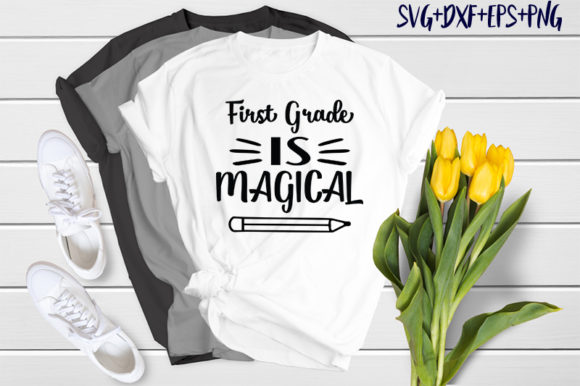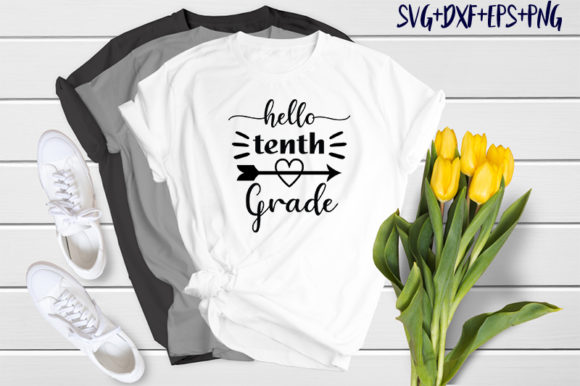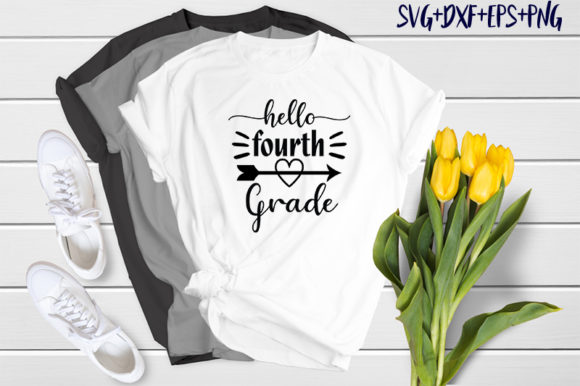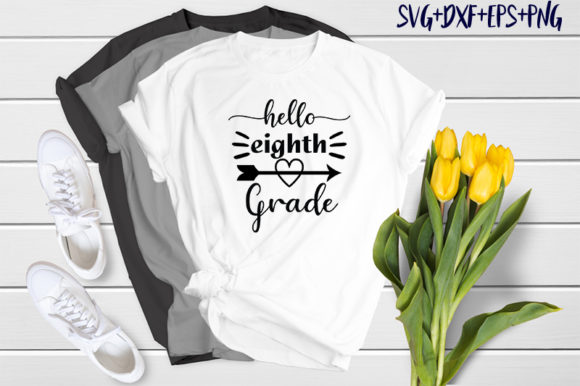
Reviewing School Hello Second Grade for Embroidery
As a designer who spends more time staring at stitch maps than finished garments, I have learned that not every cute graphic translates well to thread. We often see digital assets labeled as T-Shirt Designs or general Graphics that look pristine on a screen but turn into a tangled mess under the needle. Today, I am taking a close, practical look at School hello Second Grade. This is not just about whether it looks nice; it is about whether it holds up in the real world of hoop tension, fabric grain, and client expectations.
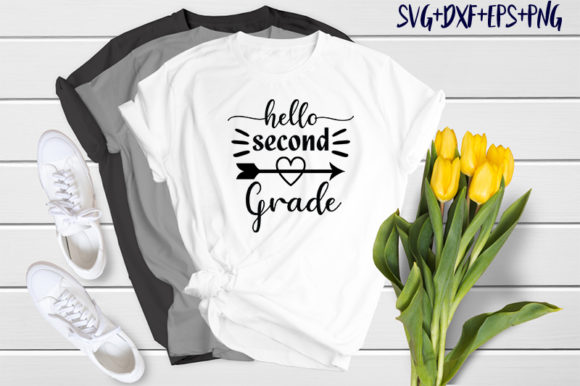
When I first opened the file for School hello Second Grade, my immediate impression was one of approachable warmth. The typography suggests a friendly, educational vibe, perfectly suited for the back-to-school season. However, visual appeal is only half the battle. The other half is technical execution. For those of us running small shops or creating handmade products for Etsy, the difference between a bestseller and a return request often lies in how well we vet our design assets before production begins.
The Real-World Test: A Custom Sweatshirt Project
To truly evaluate this design, I imagined a specific scenario. A local parent approached me for a personalized gift for her child’s first day of second grade. She wanted something soft, durable, and photogenic for social media announcements. I decided to test School hello Second Grade on a mid-weight cotton blend sweatshirt. This is a common request in custom apparel, and it presents specific challenges regarding stretch and texture.
The layout of the text in School hello Second Grade is balanced, which is crucial for chest placements or centered back designs. In my mockup phase, I noticed that the spacing allows for good breathability in the stitching. If the letters were too tight, the fabric would pucker, especially on a knit material like a sweatshirt. By adjusting the stitch density slightly lower than default settings, I ensured the garment remained flexible. This is a key consideration for any embroidery project intended for active children.
Versatility Across Product Lines
One of the strongest aspects of this design is its adaptability. While it shines as a sweatshirt embroidery piece, it also translates effectively to other items. I considered how it would look on a canvas tote bag design. The bold lines of the lettering would stand out clearly against the coarse weave of canvas, provided you use a high-contrast thread color. For baby embroidery projects, such as a onesie or a bib, the design might need scaling down. Here, caution is required. Small details can get lost if the scale is reduced too much, so always check the legibility of the word "Second" at smaller sizes.
For Etsy sellers and craft business owners, versatility means inventory efficiency. If you can use one digital embroidery file across multiple product types—like aprons, pillow covers, or even embroidered patch creations—you maximize your return on investment. School hello Second Grade has the clean lines necessary for vinyl cutting as well, since the package includes SVG and DXF formats. This dual utility makes it a valuable asset for hybrid crafters who work with both thread and heat-transfer materials.
Technical Considerations for Stitching Success
Let us talk about the mechanics. When working with any text-based machine embroidery design, the choice of stitch type is critical. For School hello Second Grade, I recommend using a satin stitch for the thicker parts of the letters to give them a raised, premium look. For thinner connectors or finer details, a running stitch or a narrow zigzag might prevent bulk. Always pay attention to thread colors. A monochromatic look can be sophisticated, but for a school-themed item, vibrant primary colors often resonate better with the target audience.
Fabric choice plays a massive role in the final outcome. On textured fabrics, such as terry cloth towels or fleece, the definition of the design can soften. If you are stitching on dark fabric, ensure your underlay stitches are sufficient to prevent the background color from showing through the top threads. This is particularly important for maintaining the professionalism of your finished product. Using the right stabilizer is non-negotiable. For stretchy knits, a cut-away stabilizer provides the necessary support to keep the design from distorting after washing.
Navigating Potential Pitfalls
There are areas where you must exercise caution. If you plan to use this on curved surfaces, like caps or hats, the distortion risk increases. The horizontal spread of the text in School hello Second Grade needs to be carefully centered to avoid looking skewed on a rounded crown. Additionally, avoid placing it over seams or pockets where the hoop cannot sit flat. Uneven tension leads to skipped stitches and frustrated customers.
Another common mistake is ignoring the hoop size constraints. Ensure the design fits comfortably within your hoop with adequate margin for clamping. Crowding the edges can cause hoop burns on delicate fabrics. Also, be mindful of dense stitch areas. If the design feels heavy, consider breaking it into separate elements or reducing the fill density to keep the garment lightweight and comfortable for a child to wear all day.
Enhancing Brand Value and Customer Trust
From a business perspective, the quality of your embroidery reflects directly on your brand. A clean, well-stitched School hello Second Grade design signals professionalism. It shows that you understand the nuances of commercial embroidery and care about the longevity of the item. Customers are increasingly educated; they notice puckering, loose threads, and poor alignment. By taking the time to test stitch on scrap fabric and adjust your tension, you build trust.
This design also offers great potential for printable mockup creation. Before you even thread your machine, you can create stunning digital previews for your online shop. High-quality mockups help buyers visualize the personalized gift aspect, increasing conversion rates. Whether you are selling the physical item or the applique design file itself, presentation is key. Ensure your photos highlight the texture of the thread and the crispness of the edges.
Final Designer Notes and Best Practices
Before you commit to a large batch of production, here are my final recommendations for working with School hello Second Grade:
- Test on Scrap Fabric: Always run a test stitch on the exact fabric you plan to use. This reveals issues with tension and density before they ruin a final garment.
- Check Contrast: View your design in black and white to ensure the shapes are distinct and readable without relying on color alone.
- Verify Licensing: The product description mentions formats like SVG, DXF, EPS, and PNG, and lists uses including invitations and decals. However, always confirm the specific license terms for commercial embroidery if you plan to sell finished goods. Do not assume rights; read the fine print.
- Inspect Small Details: Zoom in on the digital file. Are there any stray nodes or overlapping paths that could cause machine errors? Clean up the file if necessary.
- Consider Washability: For school items that will be washed frequently, ensure your thread quality is high and your locking stitches are secure to prevent unraveling.
In conclusion, School hello Second Grade is a solid contender for your autumn catalog. It balances charm with technical feasibility, provided you respect the limitations of your materials and machine. For small shop product lines focused on education and family milestones, this design offers a reliable, attractive option that can elevate your holiday embroidery and back-to-school collections. Treat it with the technical respect it deserves, and it will serve your business well.