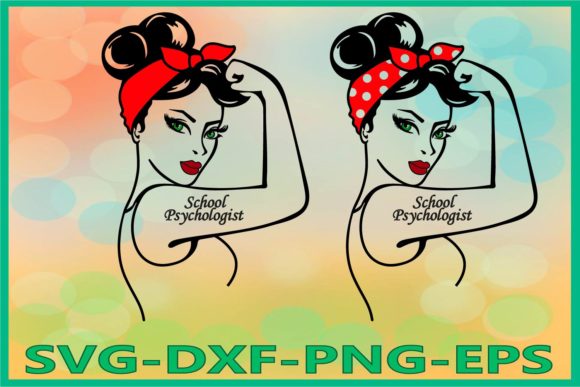
School Psychologist Design: A Pro's Take on Real Embroidery Use
As a designer who spends more time at the hoop than away from it, I approach every new machine embroidery design with a critical eye. It is not just about whether the image looks cute on a screen; it is about how those lines translate into thread, how the density sits on fabric, and whether the final finished product will hold up to the scrutiny of a paying customer. Recently, I evaluated the School Psychologist graphic set to see if it has what it takes for serious commercial and personal projects. While this specific listing offers files in SVG, DXF, EPS, AI, and PNG formats intended for decals and wall decoration, my job is to look past the digital surface and imagine its potential as a stitched embroidery project.
First Impressions: Mood and Visual Personality
The first thing that strikes me about the School Psychologist theme is its inherent warmth. In the world of Illustrations and Graphics, designs meant for mental health professionals need to strike a delicate balance between professionalism and approachability. This concept does exactly that. The shapes typically associated with this niche—often involving brains, hearts, puzzle pieces, or calming typography—suggest a layout that is clean and uncluttered. For an embroiderer, this is good news. A design with a clear visual personality and defined shapes usually translates well into satin and fill stitches without becoming a muddy mess of thread.
When I visualize this design, I see it working best as a focal point rather than an all-over print. The mood is supportive and educational, making it a natural fit for items that need to convey trust and care. Whether you are digitizing this yourself from the provided vector files or adapting a pre-digitized version, the simplicity of the theme suggests it would shine on medium-weight fabrics where the stitch definition can truly pop.
Real-World Application: From Screen to Stitch
Let's move from theory to a real-life scenario. Imagine a local school district ordering custom gear for their counseling staff during Mental Health Awareness Week. They need something that looks polished but not overly corporate. This is where the School Psychologist concept becomes invaluable. I can easily picture this design embroidered on a high-quality navy blue polo shirt or a soft, heather-grey sweatshirt.
For an Etsy seller or craft business owner, the versatility here is key. You could apply this to a sturdy canvas tote bag design, creating a functional item for therapists to carry files and resources. The graphic nature of the source files (SVG, AI, EPS) means the outlines are crisp, which is essential when creating a clean applique design or a dense fill area. If you are making a personalized gift for a graduate entering the field, this motif would look charming on a baby onesie or a nursery pillow cover, symbolizing the care they will soon provide to others.
The transition from a digital embroidery file to a physical object requires foresight. Because these files are often sold as multi-format packs for cutting machines and printing, using them for embroidery might require some preparation. If you are purchasing this specifically to stitch, ensure you have the skills or software to convert these vectors into a proper stitch file if one isn't included. Once stitched, the result on a custom apparel piece can significantly boost the perceived value of the item, turning a basic garment into a statement piece that fosters brand recognition for a small practice.
Navigating Technical Challenges and Fabric Choices
However, enthusiasm must be tempered with technical reality. Not every fabric is a friend to every design. When working with a theme like School Psychologist, which may include fine details or text, you must be cautious about where you place it.
- Fabric Texture: Avoid highly textured fabrics like heavy bouclé or rough linen for detailed versions of this design. The thread colors might get lost, and the stitch density could cause puckering.
- Stretchy Materials: If you are applying this to a stretchy t-shirt or a fitted cap, stabilization is non-negotiable. A curved surface like a cap requires careful hooping and potentially a firmer stabilizer to prevent the design from distorting.
- Small Hoop Sizes: If the design includes intricate lettering or tiny icons, verify that your hoop size can accommodate the detail without crowding. Tiny elements can easily become indistinguishable blobs of thread if scaled down too far.
- Dark Fabrics: Always test your thread color contrast against dark backgrounds. A design that pops on white might vanish on black unless you use underlay stitches effectively or choose brighter thread shades.
Furthermore, consider the end use. If this is for a kitchen towel or an apron that will be washed frequently, you need to ensure the stitch count and type (likely a mix of satin stitch borders and fill stitch interiors) are durable enough to withstand agitation without fraying.
Enhancing Value and Professionalism
In the hands of a skilled maker, the School Psychologist graphic elevates the handmade product from a simple craft to a professional asset. For small shop product lines, consistency is everything. Using a cohesive design across different items—like matching patches for backpacks and embroidery for hoodies—builds brand consistency. Customers trust products that look intentional and well-executed.
When a client sees a cleanly stitched logo or motif on their holiday embroidery gift or wedding gift for a colleague, it reinforces the quality of your work. It shows attention to detail. For commercial embroidery projects, this kind of reliability leads to repeat business. The visual appeal of a well-stitched design creates an emotional connection; it tells the recipient that they are understood and valued, which is precisely the message a school psychologist aims to convey.
Practical Notes for the Designer
Before you commit to a full production run or list this as a new item in your shop, take these practical steps:
- Test on Scrap: Never skip the test stitch. Run the design on a scrap piece of the actual fabric you intend to use to check for registration issues.
- Check Licensing: Since the product description mentions these are graphics for decals and wall decor, strictly confirm the licensing terms before selling finished embroidered goods. Ensure the license covers commercial embroidery and physical resale.
- Mockup Verification: Create black and white mockups to see how the design holds up without color reliance. This helps identify areas where running stitch details might get lost.
- Stabilizer Selection: Match your stabilizer to the fabric weight. Heavier designs need cut-away stabilizers for longevity, while lighter touches might work with tear-away.
- File Inspection: Remember, you are getting SVG, DXF, EPS, AI, and PNG files packed in a zip archive. These are vector and raster images, not necessarily native embroidery machine files (like PES or DST). You will likely need to digitize them or verify if a stitch file is separately available before loading them onto your machine.
Ultimately, the School Psychologist design holds strong potential for those willing to put in the technical groundwork. It bridges the gap between meaningful Illustrations and tangible Graphics that people can wear and use. With the right fabric, proper stabilization, and a keen eye for detail, this design can become a staple in your portfolio of design assets, offering both aesthetic beauty and functional purpose for the dedicated professionals who support our students' mental well-being.