School Bag Kawaii Clipart: A Designer's Review
As a designer who spends more time staring at stitch maps than most people care to admit, I approach every new digital embroidery file with a mix of excitement and skepticism. We have all been there: you download a cute graphic, load it into your software, and realize halfway through the stitch-out that the density is wrong or the details are too fine for the intended fabric. That is why I took a close look at the School Bag Kawaii Clipart before committing it to a client project. This isn't just about whether the image looks good on a screen; it is about how those lines translate into thread, how the design holds up on textured fabric, and whether it adds genuine value to a handmade product.
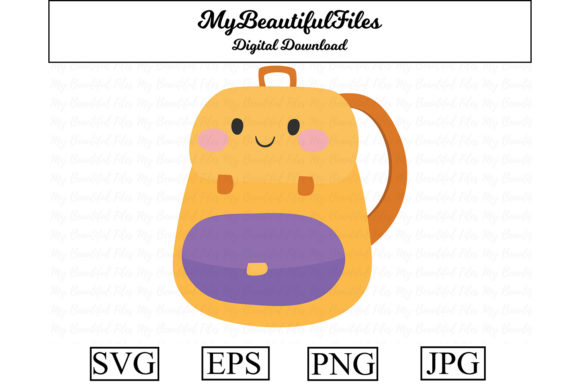
My first impression of this Illustrations pack was its undeniable charm. The "kawaii" aesthetic relies heavily on clean lines, rounded shapes, and an overall sense of playfulness, which this design captures well. For an embroidery project, these rounded edges are a blessing. Sharp corners often require complex stopping and starting or result in puckering if the underlay isn't perfect. The soft curves of this school bag motif suggest a smooth flow for the machine, likely utilizing a combination of satin stitch for outlines and perhaps a light fill stitch for the body of the bag. Visually, it creates a mood of nostalgia and fun, making it an instant fit for back-to-school collections, nursery decor, or anything targeting a younger demographic.
Real-World Application: The Custom Tote Test
To truly evaluate the School Bag Kawaii Clipart, I imagined a specific real-life scenario: a custom order for a local boutique needing a run of canvas tote bags for a teacher appreciation event. The goal was to create something that felt personalized but professional. In this context, the design shines. The layout is generally centered and balanced, which is crucial when working with the sometimes unpredictable weave of canvas or cotton twill. Unlike complex applique design files that might require multiple fabric swaps and intricate trimming, this graphic appears streamlined enough to be a quick stitch-out, saving valuable production time for a small shop product.
When considering custom apparel, such as a children's sweatshirt or a baseball tee, the scale of the design matters. Based on the visual weight of the clipart, it seems versatile enough to sit comfortably on the left chest of a hoodie or as a larger focal point on the back of a jacket. For baby embroidery, where skin sensitivity and comfort are paramount, the lack of overly dense stitching areas in the preview suggests it would remain soft and flexible after washing. However, because this is a raster and vector graphic package (PNG, SVG, JPG, EPS) rather than a pre-digitized machine file, the responsibility falls on us to ensure the conversion to stitches maintains this integrity.
Navigating Fabric Challenges and Stitch Density
One of the most critical aspects of using Graphics like this for embroidery is understanding how they interact with different materials. While the design looks crisp on a white background, I always advise testing how it performs on dark fabric. If you plan to use this for holiday embroidery gifts on navy blue pajamas or black caps, you must ensure your digitizing software handles the contrast correctly. You may need to add a white underlay or adjust the thread colors to prevent the fabric from showing through the lighter sections of the school bag.
There are also specific situations where caution is required. If you are attempting this on stretchy fabrics like jersey knits without proper stabilization, even a simple design can distort. The stitch density needs to be monitored closely; if the digital file is converted with too many stitches per inch, it could cause the fabric to pucker, ruining the finished product. Similarly, for curved surfaces like caps, the center of the design must be aligned perfectly to avoid shifting during the stitch-out. Tiny details, such as small zippers or buttons depicted on the bag, might get lost if the hoop size is too small or if the thread thickness is too heavy. I recommend running a test on scrap fabric of the same weight and texture as your final material before cutting into your good stock.
Commercial Value and Brand Consistency
For Etsy sellers and creative entrepreneurs, the visual appeal of a design directly impacts buyer engagement. The School Bag Kawaii Clipart has a strong "giftability" factor. It evokes memories of childhood and education, making it a powerful asset for selling personalized items. When used consistently across a product line—say, matching tote bags, pencil cases, and aprons—it helps build brand recognition. Customers trust handmade items that look polished and intentional. A clean, well-executed embroidery project signals professionalism, whereas a poorly stitched or ill-chosen design can undermine customer trust.
However, since this product includes formats like SVG and EPS, it offers flexibility beyond just stitching. These files are excellent for creating printable mockup images for your online store before you even commit to making the physical item. You can place the graphic on various backgrounds to show potential buyers how the tote bag design or sweatshirt embroidery will look. This versatility extends the life of the purchase, allowing you to use the same asset for digital planners, stickers, or heat transfer projects, maximizing the return on investment for your craft business.
Essential Notes for the Practical Designer
Before you dive into using this design for commercial embroidery or personal gifts, here are a few practical steps I always take:
- Verify Licensing: Always double-check the license terms provided with the download. Ensure you have the right to sell finished physical items or if there are restrictions on the number of units you can produce.
- Digitize with Care: Since this is a graphic file, you will need to digitize it or have it digitized for your specific machine. Pay attention to pull compensation and underlay settings to ensure the shape remains true.
- Check Contrast: Test the design in black and white mockups to ensure the shapes are distinct and recognizable without relying solely on color.
- Stabilizer Selection: Match your stabilizer to the fabric. Cut-away is usually best for stretchy garments, while tear-away works for stable wovens like tote bags.
- Inspect Small Details: Look closely at the smallest elements in the graphic. If a line is too thin, it may not stitch out well and might need to be thickened in your vector software before digitizing.
In conclusion, the School Bag Kawaii Clipart is a delightful addition to any designer's library, provided it is treated with the technical respect it requires. It bridges the gap between cute illustration and functional embroidery project with ease. Whether you are making a personalized gift for a favorite teacher or expanding your inventory of small business merchandise, this design offers a solid foundation. Just remember that the magic happens not just in the download, but in the thoughtful preparation, testing, and stitching that turns a digital image into a tangible, cherished object.