School Brush Kawaii Clipart: A Designer's Review
As a designer who spends more time staring at stitch maps than most people care to admit, I approach every new digital embroidery file with a mix of excitement and skepticism. We have all been there: you buy a cute graphic, load it into your software, and realize halfway through stitching that the density is wrong or the details are too tiny for the fabric you chose. That is why I took a close look at the School Brush Kawaii Clipart before committing it to a client project. This isn't just about whether an image looks good on a screen; it is about how those lines translate into thread, how the stitch density behaves on textured material, and whether the final finished product holds up to the scrutiny of a paying customer.
First Impressions and Visual Personality
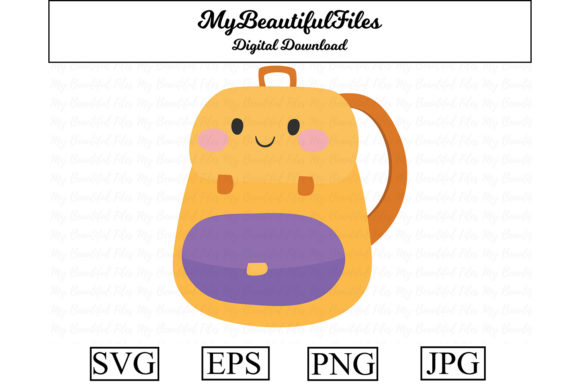
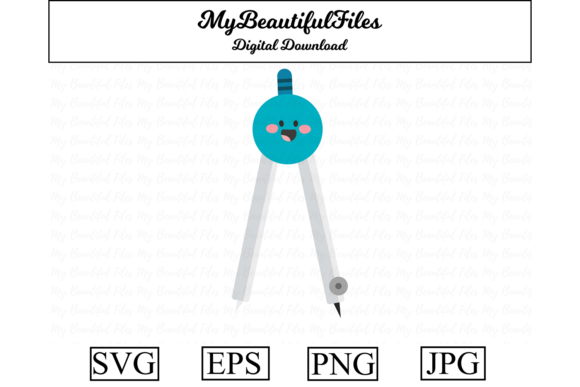
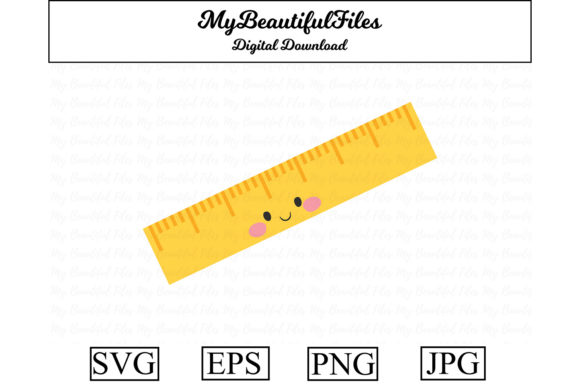
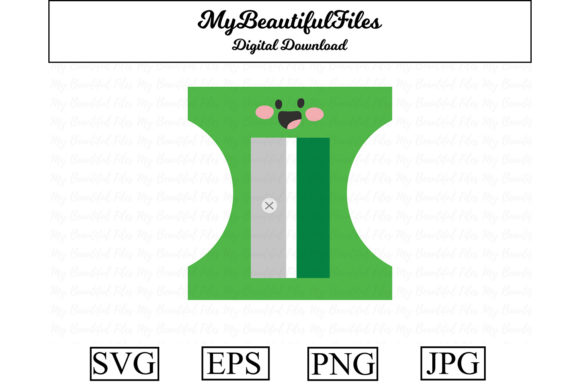
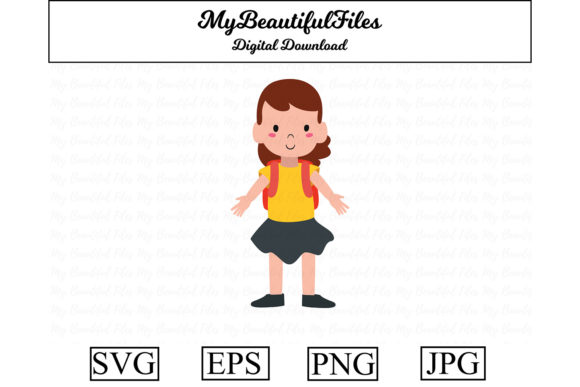
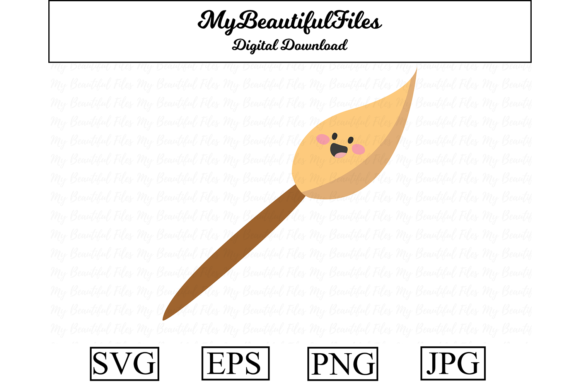
When I first opened the files for School Brush Kawaii Clipart, the immediate vibe was playful yet structured. The "brush" theme suggests creativity and learning, while the "kawaii" element brings a softness that appeals strongly to younger demographics or anyone looking for a touch of whimsy. In the world of Illustrations and Graphics, kawaii styles often rely on thick outlines and simplified shapes, which is actually a massive advantage for embroidery. Complex gradients and ultra-fine lines often get lost in translation when converted to thread, but this design seems to embrace bold, clear forms.
The layout feels balanced, making it a strong candidate for center-chest placements on custom apparel or as a focal point on a tote bag design. The visual personality here is friendly and inviting, which is exactly what you want for a handmade product intended as a personalized gift. It avoids the trap of being overly childish, meaning it can work for elementary school teachers, college students, or even as a quirky accent in a home office setting.
Real-World Application: The Custom Tote Test
To truly evaluate this asset, I imagined a specific real-life scenario: creating a batch of canvas tote bags for a local teacher appreciation event. This is a common request for Etsy sellers and craft business owners. The goal was to see how School Brush Kawaii Clipart would perform on a medium-weight canvas, a fabric known for its texture and slight give.
In this context, the design shines. The brush motif naturally complements the texture of the canvas. If you are using a satin stitch for the outlines, the thickness of the kawaii style ensures the edges remain crisp without sinking into the fabric weave. For the fill areas, a well-balanced fill stitch pattern would provide solid coverage without making the bag stiff or uncomfortable to carry. I could easily envision this working as an embroidered patch sewn onto the bag, or stitched directly onto the fabric with a high-quality stabilizer underneath to prevent puckering.
Beyond totes, this design is versatile enough for sweatshirt embroidery. On fleece or French terry, the simplicity of the kawaii aesthetic prevents the design from getting lost in the nap of the fabric. It would also be adorable on baby embroidery projects, like a bib or a onesie, provided the scale is adjusted correctly for the smaller garment size. The theme fits perfectly with back-to-school seasons, making it a reliable asset for holiday embroidery promotions in late summer.
Navigating Fabric and Hoop Challenges
However, no design is without its constraints. When working with School Brush Kawaii Clipart, you need to be mindful of where you place it. While the bold lines are generally forgiving, any intricate details within the brush bristles or facial features (if present in the specific variation) might struggle on highly textured fabrics like heavy terrycloth or loosely woven linens. In these cases, increasing the stitch density slightly or adding an underlay can make a significant difference in clarity.
Curved surfaces present another challenge. If you plan to use this on a cap or a structured hat, the flat nature of the illustration might distort if the hoop size is too large for the curvature of the front panel. You would need to ensure your hoop size matches the machine's capability for that specific garment and potentially digitize a version specifically curved for headwear if the original file is strictly flat. Similarly, on stretchy fabrics like jersey knits, the stability of the design depends entirely on your choice of stabilizer. A cut-away stabilizer is usually safer for long-term wear to prevent the stitches from shifting after multiple washes.
Commercial Value and Brand Consistency
For small shop product creators and commercial embroidery professionals, the value of a design lies in its ability to build brand recognition. School Brush Kawaii Clipart offers a consistent visual language that can be applied across various design assets. Whether you are creating a printable mockup for your online store or stitching the actual item, the cohesive look helps customers instantly recognize your style.
The appeal of this design extends to buyer engagement. Kawaii aesthetics have a dedicated following, and incorporating them into your Etsy listings can attract a specific niche of buyers looking for cute, unique items. The perceived value of the finished product increases when the stitching is clean and the design choice feels intentional rather than generic. Customers trust handmade items that show attention to detail, and a well-executed version of this clipart signals professionalism.
Practical Notes for the Embroidery Designer
Before you start stitching, there are a few critical steps to take. First, always test the design on scrap fabric that matches your final material. This allows you to check thread colors for contrast and ensure the running stitch elements don't cause bunching. Since the product description mentions formats like PNG, SVG, JPG, and EPS, remember that these are primarily graphic files. If you are using an embroidery machine, you will likely need to digitize these graphics into a proper machine embroidery design format (like PES, DST, or XXX) unless you are using a printer-embroiderer combo that accepts image files directly.
Pay close attention to the licensing terms. The description notes this is for DIY projects or "something else," but as a commercial embroidery provider, you must confirm if the license allows for selling finished physical goods. Never assume; always verify if you can use the digital embroidery file derivatives for profit. Additionally, inspect small details in the digitized version. Tiny lettering or extremely close stitch paths can lead to thread breaks or bird nests, so simplify where necessary.
Finally, consider how the design looks in black and white. If you are offering monogramming or single-color options for cost-effective custom apparel, the silhouette of School Brush Kawaii Clipart needs to remain recognizable without color reliance. Testing it in a single color mockup can reveal if the shape holds up on its own.
In conclusion, School Brush Kawaii Clipart is a promising asset for designers looking to add a touch of fun to their repertoire. Its strength lies in its bold, friendly shapes that translate well to thread, making it suitable for everything from baby clothes to boutique merchandise. With careful attention to fabric choice, stabilization, and proper digitization, it can become a staple in your library of applique design and standard fill projects, helping you create products that customers love to buy and wear.